
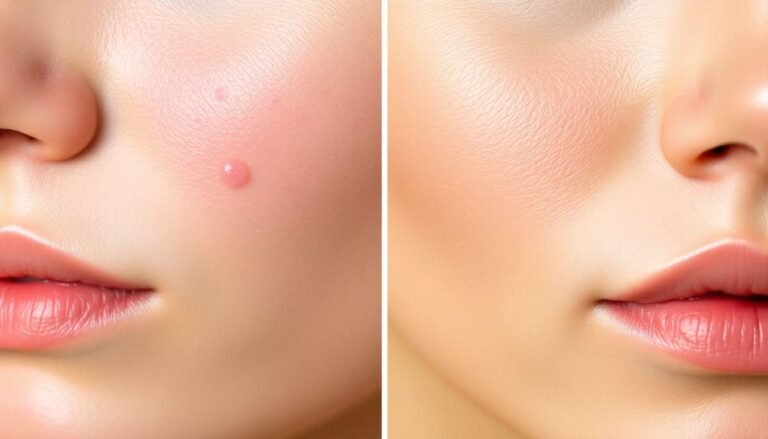
Dealing with acne-prone skin can feel like an uphill battle. One day your skin seems to be clearing up, and the next, you wake up with a new breakout that has you scrambling for solutions. If this sounds familiar, you’re not alone. Millions of people worldwide struggle with acne, regardless of age or gender. The good news? With the right skincare routine and habits, you can significantly reduce breakouts and achieve clearer, healthier skin. These skin care tips for acne-prone skin are backed by dermatological research and real-world experience, offering practical solutions that actually work.
Understanding Acne-Prone Skin
Before diving into treatment options, let’s understand what we’re dealing with. Acne develops when hair follicles become clogged with oil and dead skin cells. Bacteria can trigger inflammation, resulting in those dreaded pimples, blackheads, and whiteheads.
Acne-prone skin typically produces excess sebum (oil), has more active bacteria, and may experience irregular skin cell turnover. These factors make it more susceptible to breakouts, but they also give us clear targets for treatment.
1. Gentle Cleansing Is Your Foundation
The cornerstone of any skincare routine for acne-prone skin is proper cleansing. However, harsh scrubbing or using abrasive products can actually worsen acne by irritating the skin.
Choose a gentle, non-comedogenic cleanser that won’t clog pores. Ingredients like salicylic acid can help break down oils and clear out pores without stripping your skin’s natural moisture barrier.
Wash your face twice daily—morning and night—using lukewarm water (hot water can stimulate oil production). Pat dry with a clean towel instead of rubbing, which can spread bacteria and irritate active breakouts.
2. Exfoliate Strategically, Not Aggressively
Exfoliation is crucial for removing dead skin cells that can clog pores. However, many people with acne make the mistake of over-exfoliating, which damages the skin barrier and triggers more oil production.
How to exfoliate correctly:
Products containing glycolic acid or salicylic acid are particularly effective for acne-prone skin, as they penetrate pores and dissolve excess sebum.
3. Don’t Skip Moisturizer (Yes, Even With Oily Skin)
It seems counterintuitive, but proper hydration is essential even for oily, acne-prone skin. When skin becomes dehydrated, it can actually produce more oil to compensate.
Choose a lightweight, oil-free, non-comedogenic moisturizer. Ingredients like hyaluronic acid provide hydration without heaviness, while niacinamide can help regulate sebum production and reduce inflammation.
Apply moisturizer to slightly damp skin to lock in hydration, focusing on areas that tend to get dry from acne treatments.
4. Incorporate Targeted Treatments
Certain ingredients have proven particularly effective against acne:
Key acne-fighting ingredients:
Start with one active ingredient and give your skin time to adjust before adding another. Using too many actives simultaneously can irritate your skin and worsen acne.
5. Never Skip Sunscreen
Many acne treatments increase sun sensitivity. Plus, UV exposure can darken acne scars and stimulate oil production. Daily sunscreen isn’t optional—it’s essential.
Look for lightweight, oil-free, broad-spectrum SPF 30+ formulations labeled “non-comedogenic.” Mineral sunscreens containing zinc oxide offer added benefits, as zinc has natural anti-inflammatory properties that can calm acne.
6. Mind Your Diet and Hydration
What you put inside your body affects what shows up on your skin. Research suggests that high-glycemic diets may trigger or worsen acne in some people.
Consider limiting:
Instead, focus on:
7. Change Your Pillowcase Regularly
Your pillowcase collects oil, bacteria, and dead skin cells night after night. This buildup can transfer back to your skin and contribute to breakouts.
Try changing your pillowcase at least once a week, or more frequently if you have severe acne. Consider silk or satin pillowcases, which create less friction and may absorb less moisture from your skin than cotton.
8. Hands Off Your Face
This simple habit change can make a surprising difference. Your hands come into contact with countless surfaces throughout the day, collecting bacteria and dirt. Touching your face transfers these impurities directly onto your skin.
Be especially mindful about picking or popping pimples, which can lead to infection, increased inflammation, and scarring. If you’re tempted to touch your face, try keeping your hands occupied with a stress ball or fidget toy.
9. Manage Stress Levels
Stress triggers hormonal changes that can increase oil production and worsen inflammation, creating the perfect environment for breakouts.
Incorporate stress-management techniques into your routine:
10. Consult a Dermatologist When Needed
If over-the-counter products aren’t working after 6-8 weeks, it’s time to see a professional. Persistent or severe acne may require prescription treatments like:
A dermatologist can also help address acne scars with treatments like chemical peels, microneedling, or laser therapy.
The Bottom Line
Achieving clear skin with acne-prone tendencies requires patience and consistency. What works for someone else might not work for you, so be prepared to experiment (cautiously) with different products and approaches. Track your skin’s response to new products or treatments, giving each at least 4-6 weeks to show results before moving on.
Remember that occasional breakouts are normal, even with the best skin care routine for acne-prone skin. Be kind to yourself throughout the process—clear skin is a journey, not an overnight transformation. With these evidence-based strategies and a little persistence, you can get your acne under control and enjoy healthier, clearer skin.