
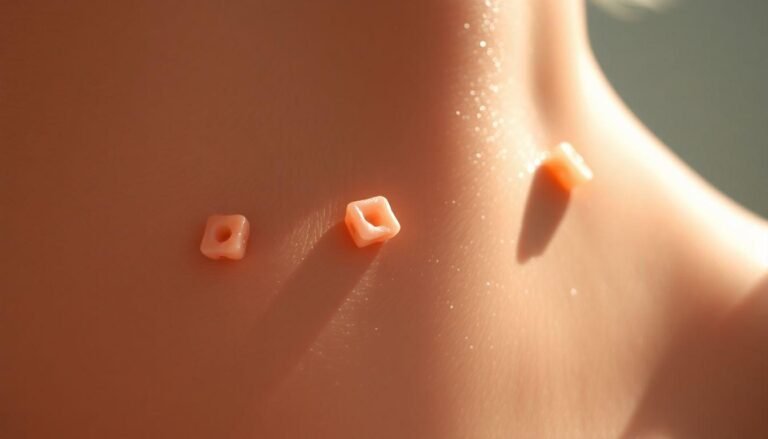
Finding those small, flesh-colored growths on your neck, underarms, or other body areas can be frustrating and sometimes embarrassing. Skin tags, though harmless, can affect your confidence and comfort in your own skin. The good news is that you don’t always need expensive medical procedures to get rid of them. With the right approach, you can tackle these benign growths at home or with professional help, depending on their size and location. Removing skin tags safely and effectively is possible through various methods, but knowing which option is best for your situation is key to avoiding complications like infection or scarring.
What Are Skin Tags and Why Do They Form?
Before diving into removal techniques, let’s understand what we’re dealing with. Skin tags (acrochordons) are small, soft growths that typically appear in areas where skin rubs against skin or clothing. Common spots include the neck, armpits, under breasts, eyelids, and groin folds.
Several factors contribute to their formation:
While completely benign, these little nuisances can catch on jewelry or clothing and sometimes become irritated. But before you rush to remove them, it’s important to confirm that what you’re dealing with is actually a skin tag and not something else requiring medical attention.
1. Over-the-Counter Freezing Kits
Remember those wart removal products at the pharmacy? Many brands now offer similar cryotherapy solutions specifically designed for skin tags. These kits work by freezing the tissue, which eventually causes the skin tag to fall off.
How to Use Freezing Products Effectively
The process is relatively straightforward:
The advantage here is precision—you’re targeting just the skin tag with minimal impact on surrounding skin. The cold sensation can be uncomfortable momentarily, but most people find it quite tolerable. These products work best on smaller to medium-sized skin tags and cost significantly less than a doctor’s visit.
2. Ligation: The String Method
This old-school approach remains one of the most effective DIY methods. By cutting off the blood supply to the skin tag, you can cause it to shrink and eventually fall off naturally.
Safe Ligation Steps
To try this method:
This approach works particularly well for skin tags with a narrow “stalk.” The key is patience—resist the urge to pull or cut the tag during this process. While this method costs practically nothing, it requires consistent attention and may cause mild discomfort.
3. Tea Tree Oil Application
For those who prefer a more natural approach, tea tree oil offers a gentler alternative that many find effective, especially for smaller skin tags.
Proper Application Technique
Here’s how to use this method:
Tea tree oil contains compounds that may gradually dry out the skin tag. This method takes longer than others—sometimes several weeks—but it’s one of the gentlest approaches available. It’s particularly suitable for sensitive areas where more aggressive methods might be uncomfortable.
4. Apple Cider Vinegar Treatment
Another popular home remedy involves apple cider vinegar, which may help break down the tissue through its acidic properties.
Safe Application Process
To try this approach:
Many users report success with this method, though scientific evidence is limited. The acid can cause mild irritation, so it’s essential to monitor your skin’s reaction and discontinue if excessive redness or discomfort occurs. This method works best for smaller tags.
5. Professional Medical Removal
When skin tags are large, numerous, in sensitive locations (like eyelids), or if you’re uncertain about DIY methods, professional removal is the safest option.
Medical Removal Options
Doctors typically use one of these approaches:
The advantages here are speed, effectiveness, and safety. The procedure typically takes just minutes, and the doctor can address multiple tags in one visit. The downside is cost—medical removal is rarely covered by insurance since it’s considered cosmetic.
When to Seek Medical Attention
While most skin tags are harmless, see a doctor if you notice:
These could indicate other skin conditions that require proper diagnosis and treatment.
Aftercare Tips for All Removal Methods
Regardless of which method you choose, proper aftercare is crucial for preventing infection and minimizing scarring:
Most people can expect the skin to heal completely within 1-2 weeks, leaving little to no evidence that the tag was ever there.
Dealing with skin tags is a common cosmetic concern that affects many women at some point in their lives. Whether you choose an at-home remedy or professional removal, the key is approaching the situation with patience and proper hygiene. By understanding these safe and effective skin tag removal methods, you can make an informed decision about which approach works best for your particular situation. Remember that while cosmetic concerns are valid, your skin’s health should always be the priority—when in doubt, consulting with a dermatologist is the surest way to address your skin tags without compromising your skin’s health.