In a world where skincare routines have evolved from simple cleansing to elaborate 10-step regimens, ancient practices are making a powerful comeback. Among these, Guasha aesthetic techniques stand out as both timeless and transformative. This traditional Chinese healing method has found its way into modern beauty rituals, offering not just cosmetic benefits but holistic wellness too. The gentle scraping motion of a smooth-edged tool across your skin might seem simple, but its effects run deep — improving circulation, reducing puffiness, and potentially slowing signs of aging. Let’s explore how this ancient practice can revolutionize your daily skincare routine.
What Exactly Is Guasha and Why Is It Having a Moment?
Guasha (pronounced gwah-shah) translates roughly to “scraping sand” in Chinese, describing the sensation of the treatment. Dating back thousands of years in Traditional Chinese Medicine, it was originally used to treat illness and pain by promoting blood circulation and releasing toxins.
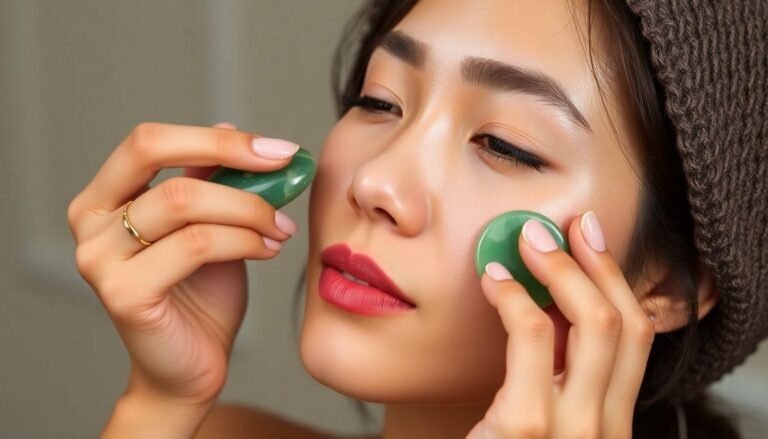
Today’s beauty enthusiasts have reimagined this healing practice for facial care. Unlike its traditional medical application which often left temporary red marks, facial guasha uses gentler techniques specifically designed for the delicate skin on your face, neck, and décolletage.
The recent surge in popularity isn’t just another fleeting trend. It represents a broader shift toward holistic beauty approaches that:
As we increasingly question ingredient lists and seek multi-functional tools, guasha offers an appealing combination of simplicity and effectiveness that resonates with modern beauty priorities.
The Science Behind the Scrape
You might wonder if there’s any scientific backing to these ancient techniques. While more research is needed, preliminary studies and clinical observations suggest several measurable benefits:
When you perform guasha, you’re essentially creating controlled microtrauma to the skin tissue. This stimulates blood flow and activates your body’s natural healing response. Enhanced circulation means more oxygen and nutrients reach your skin cells while waste products are more efficiently removed.
The lymphatic drainage effect helps reduce fluid retention, potentially decreasing puffiness and creating more defined facial contours. This is why many people notice an immediate “sculpted” appearance after a session.
The Tension Connection
Beyond the skin-deep benefits, guasha addresses tension in facial muscles. Many of us unconsciously hold stress in our jaw, forehead, and around our eyes. These chronically contracted muscles can contribute to wrinkle formation and an overall tired appearance.
The gentle pressure and scraping motion help release this muscular tension, potentially softening expression lines and relieving the tight feeling many experience after a stressful day. Think of it as a mini-massage for facial muscles that rarely get attention.
Choosing Your Guasha Tool: Material Matters
The market offers guasha tools in various materials, each with unique properties:
While crystal enthusiasts may emphasize the energetic differences between materials, from a practical perspective, the most important factors are comfort in your hand and smoothness against your skin. The shape matters too—look for tools with different edges for targeting various facial contours.
Transforming Your Routine: The Guasha Ritual
Incorporating guasha into your skincare routine doesn’t require overhauling everything you already do. It simply adds a mindful, effective step:
1. Always start with clean skin
2. Apply a facial oil to create necessary slip (the tool should glide, never drag)
3. Hold the tool at approximately a 45-degree angle to your skin
4. Use gentle upward and outward strokes, following your facial contours
5. Maintain consistent, medium pressure—never painful
6. Begin at the neck and work upward to encourage proper lymphatic flow
For best results, aim for consistency rather than intensity. A gentle 5-minute session several times weekly will likely yield better results than an occasional aggressive treatment.
Morning vs. Evening Application
Morning guasha can reduce overnight puffiness and energize your face for the day ahead. Evening sessions, meanwhile, help release the day’s tension and potentially enhance nighttime repair processes. There’s no wrong time—consider what fits naturally into your existing routine.
Remember to clean your tool after each use with mild soap and water. Natural stone tools benefit from occasional deeper cleansing and recharging in sunlight or moonlight, according to traditional practice.
Common Mistakes to Avoid
Even the simplest techniques can go wrong. Watch out for these guasha pitfalls:
The most common mistake is rushing through the process. Guasha isn’t just about the physical manipulation—it’s about creating a moment of mindful connection with yourself. When you slow down and engage fully with the practice, both physical and emotional benefits multiply.
Beyond Beauty: The Wellness Connection
While visible improvements in skin appearance draw many to guasha, practitioners often report broader benefits. The intentional touch and face-focused attention can become a form of self-care that extends beyond cosmetic concerns.
Many users report reduced tension headaches, improved jaw pain from TMJ, and even better sleep after evening guasha sessions. The mindful nature of the practice creates a moment of pause in otherwise busy days—a chance to literally “face yourself” with kindness and care.
This wellness aspect may explain why guasha aesthetic practices have demonstrated staying power beyond typical beauty fads. They connect modern skincare concerns with ancient wisdom about holistic health in a tangible, accessible way.
As we continue seeking beauty routines that nurture rather than deplete us, integrating practices like guasha offers a balanced approach to skin health. By embracing these techniques, you’re not just transforming your skincare routine—you’re participating in a tradition that honors the connection between physical appearance and overall wellbeing. Whether you’re drawn to its sculpting effects or its meditative qualities, guasha aesthetic techniques offer something increasingly rare in the beauty world: simplicity that actually works.