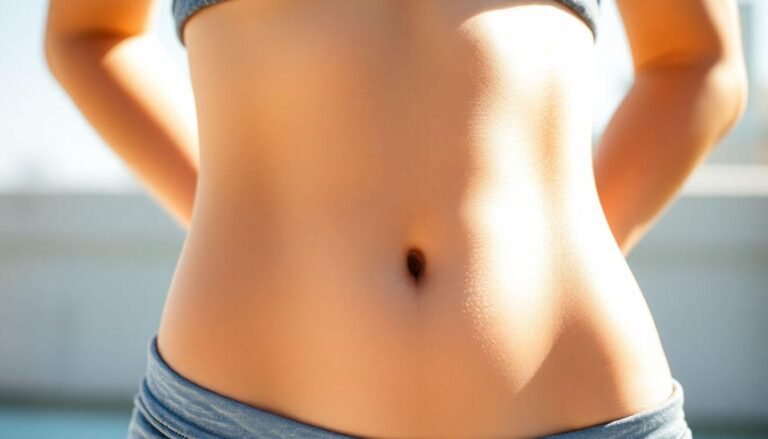
Loose skin on the stomach can be a source of insecurity for many women, regardless of age or body type. Whether it’s from pregnancy, significant weight loss, or simply the natural aging process, that stubborn loose skin doesn’t always respond to diet and exercise alone. But don’t lose hope! There are proven methods to help firm loose skin on stomach areas that can make a noticeable difference. This comprehensive guide will walk you through effective techniques that actually work, combining science-backed approaches with practical, everyday solutions that fit into your busy lifestyle.
Why Stomach Skin Becomes Loose
Before diving into solutions, it helps to understand why skin loses its firmness in the first place. Your skin contains two important proteins: collagen and elastin. Collagen provides structure and firmness, while elastin allows skin to stretch and bounce back.
Several factors can reduce these proteins and lead to loose skin:
Understanding these factors helps explain why a multi-faceted approach works best when trying to firm up stomach skin. Let’s explore the methods that deliver real results.
Method 1: Targeted Exercise Routines
While exercise alone can’t completely fix loose skin, specific workouts can strengthen the muscles underneath, creating a firmer appearance. Think of it as building a stronger foundation beneath your skin.
Core-Strengthening Exercises
Focus on exercises that target your entire core region, not just the visible abs:
Aim for 15-20 minutes of dedicated core work 3-4 times weekly. The beauty is that you don’t need fancy equipment or hours at the gym. Many effective core routines can be done in your living room with just a mat.
Method 2: Skin-Nourishing Nutrition
What you eat directly affects your skin’s ability to maintain elasticity and regenerate. Certain nutrients specifically support collagen production and skin health.
Collagen-Boosting Foods
Include these in your daily diet:
Equally important is staying well-hydrated. Water helps maintain skin elasticity and supports the transport of nutrients to skin cells. Aim for at least 8 glasses daily, more if you’re active or live in a dry climate.
Method 3: Topical Treatments
The right skincare ingredients can make a noticeable difference when applied consistently.
Effective Ingredients to Look For
Apply these products to clean skin, ideally after showering when pores are open and receptive. Massage them in with upward motions to enhance absorption and stimulate circulation.
Method 4: Non-Invasive Procedures
If you’re looking for more significant results without surgery, several professional treatments can help:
Proven Professional Options
These treatments typically require multiple sessions and results develop gradually over 3-6 months as your body produces new collagen. While not inexpensive, they offer significant results for many women without the downtime of surgery.
Method 5: Daily Habits That Support Skin Firmness
Small daily practices can collectively make a big difference:
These habits complement the more targeted approaches and help maintain results once you’ve achieved them.
Creating Your Personal Skin-Firming Plan
The most effective approach combines multiple methods tailored to your situation. If your loose skin is mild to moderate, starting with exercise, nutrition, and topical treatments might be sufficient. For more pronounced laxity, adding professional treatments may provide better results.
Be patient with yourself. Improvements in skin firmness don’t happen overnight – think in terms of weeks and months rather than days. Take “before” photos in natural light so you can objectively track your progress, as day-to-day changes are subtle.
Remember that perfect firmness isn’t necessarily the goal. Some natural softening is part of the beautiful journey of womanhood, whether through motherhood, significant health transformations, or simply the privilege of aging. Focus on healthy, resilient skin rather than perfection.
Ultimately, the best methods to firm loose skin on stomach areas are those you can maintain consistently. A balanced approach that fits your lifestyle and budget will yield the most sustainable results, helping you feel more comfortable and confident in your skin.