In a world where self-care routines have become increasingly important, finding the right health and beauty tips can transform your daily regimen. For Pakistani women and Urdu-speaking communities worldwide, traditional wisdom combined with modern practices offers incredible benefits for both inner wellness and outer beauty. These health and beauty tips in Urdu blend time-honored traditions with contemporary approaches, creating routines that respect cultural heritage while embracing new innovations. Let’s explore ten must-try tips that can enhance your well-being and natural beauty today.
Why Traditional Urdu Beauty Wisdom Matters Today
Our grandmothers and great-grandmothers possessed beauty secrets that have stood the test of time. Many of these traditional remedies use natural ingredients you probably already have in your kitchen. What makes these tips special is how they’ve been passed down through generations, often shared between mothers and daughters in Urdu households. These practices aren’t just about looking good—they’re about honoring cultural heritage while taking care of yourself in ways that modern commercial products sometimes can’t match.
Top Beauty Tips From Urdu Tradition
1. Ubtan: Nature’s Perfect Exfoliator
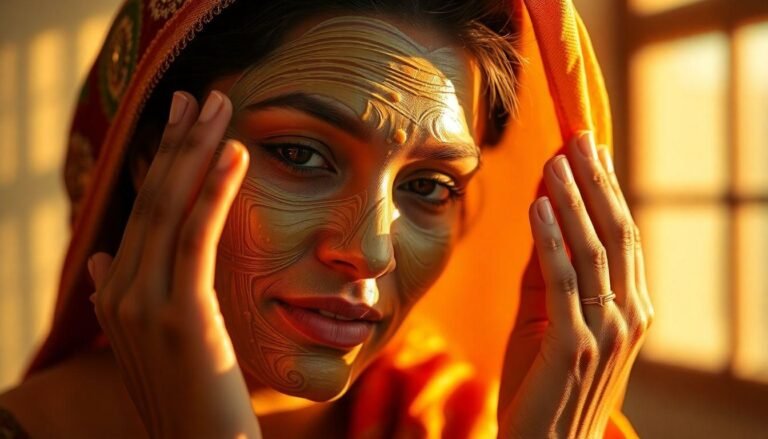
Ubtan has been a staple in South Asian beauty routines for centuries. This natural paste combines gram flour (besan), turmeric, milk, and sometimes rose water to create a powerful exfoliator and skin brightener.
To prepare a traditional ubtan:
Use this twice weekly for that special “dulhan wala glow” (bridal glow) that Pakistani women are famous for!
2. Mehndi For Hair Health
Mehndi isn’t just for beautiful hand designs at weddings. In Urdu-speaking communities, henna has long been treasured as a natural hair conditioner and colorant. Regular application strengthens hair follicles while adding rich auburn highlights to dark hair.
For a nourishing hair treatment:
Your hair will thank you with extra shine and strength!
3. Kalonji (Black Seed) Oil For Multiple Benefits
Often mentioned in Urdu health literature, kalonji oil is sometimes called “the cure for everything except death.” This powerful oil can be used both internally and externally:
The Prophet Muhammad (PBUH) himself is said to have recommended black seeds, making this a particularly cherished remedy in Pakistani culture.
Inner Health For Outer Beauty
4. Desi Ghee: Beauty From Within
While modern diet culture often demonizes fats, traditional Urdu wisdom recognizes the value of pure desi ghee. A teaspoon of homemade ghee daily provides essential fatty acids that:
The key is moderation and using only the highest quality clarified butter, preferably made at home the way our dadis (grandmothers) taught us.
5. Khajoor (Dates) For Natural Energy
Instead of reaching for processed energy drinks, try the traditional energizer mentioned in countless Urdu health guides: khajoor. Three dates in the morning provide sustainable energy while offering:
This simple habit can transform your energy levels and overall wellness.
Skincare Secrets With Urdu Roots
6. Multani Mitti Face Masks
Known as “Fuller’s earth” in English, multani mitti has been a cornerstone of South Asian beauty routines for generations. This natural clay:
Mix with rose water for dry skin or yogurt for combination skin. Apply weekly for that special glow Pakistani women are known for.
7. Dahi (Yogurt) Beauty Applications
Found in every Pakistani kitchen, dahi isn’t just for eating with biryani! This probiotic powerhouse works wonders when applied topically:
The lactic acid in yogurt gently exfoliates while its proteins nourish the skin—a combination modern skincare brands try to replicate but rarely match.
Lifestyle Wisdom From Urdu Tradition
8. Oil Massage (Maalish) Ritual
The tradition of regular oil massage is deeply ingrained in Urdu-speaking cultures. Weekly champi (head massage) with warm oil:
Choose mustard oil in winter and coconut oil in summer, following the seasonal wisdom our elders have passed down.
9. Kahwa: The Beauty Tea
This Kashmiri green tea infused with cardamom, cinnamon, and sometimes saffron isn’t just delicious—it’s a beauty elixir! Regular consumption:
Replace one cup of your daily chai with kahwa and watch your skin transform within weeks.
10. Early Rising (Subah Saweray Uthna)
Perhaps the most mentioned health tip in Urdu literature is the importance of rising before dawn. This practice:
The morning air—what we call “subah ki hawa” in Urdu—is considered especially beneficial for both physical and mental wellbeing.
Incorporating These Tips Into Modern Life
You don’t need to follow all ten tips at once. Start with what resonates most with you. Maybe begin with the ubtan on weekends, then gradually add other practices. The beauty of these health and beauty tips in Urdu traditions is their flexibility—they can be adapted to fit your modern lifestyle while still honoring their cultural origins.
Remember that consistency matters more than perfection. Even implementing just a few of these practices regularly can make a noticeable difference in how you look and feel. Our ancestors understood that beauty isn’t created overnight but through dedicated self-care rituals practiced with intention and regularity.
These time-tested health and beauty tips from Urdu tradition offer more than just cosmetic benefits—they connect us to our heritage while providing natural, effective alternatives to commercial products. By embracing these practices, you’re not just enhancing your beauty routine; you’re participating in a cultural legacy that spans generations. Which of these tips will you try first?